Challenge Problems
Capstone Challenge Problems with Full Solutions

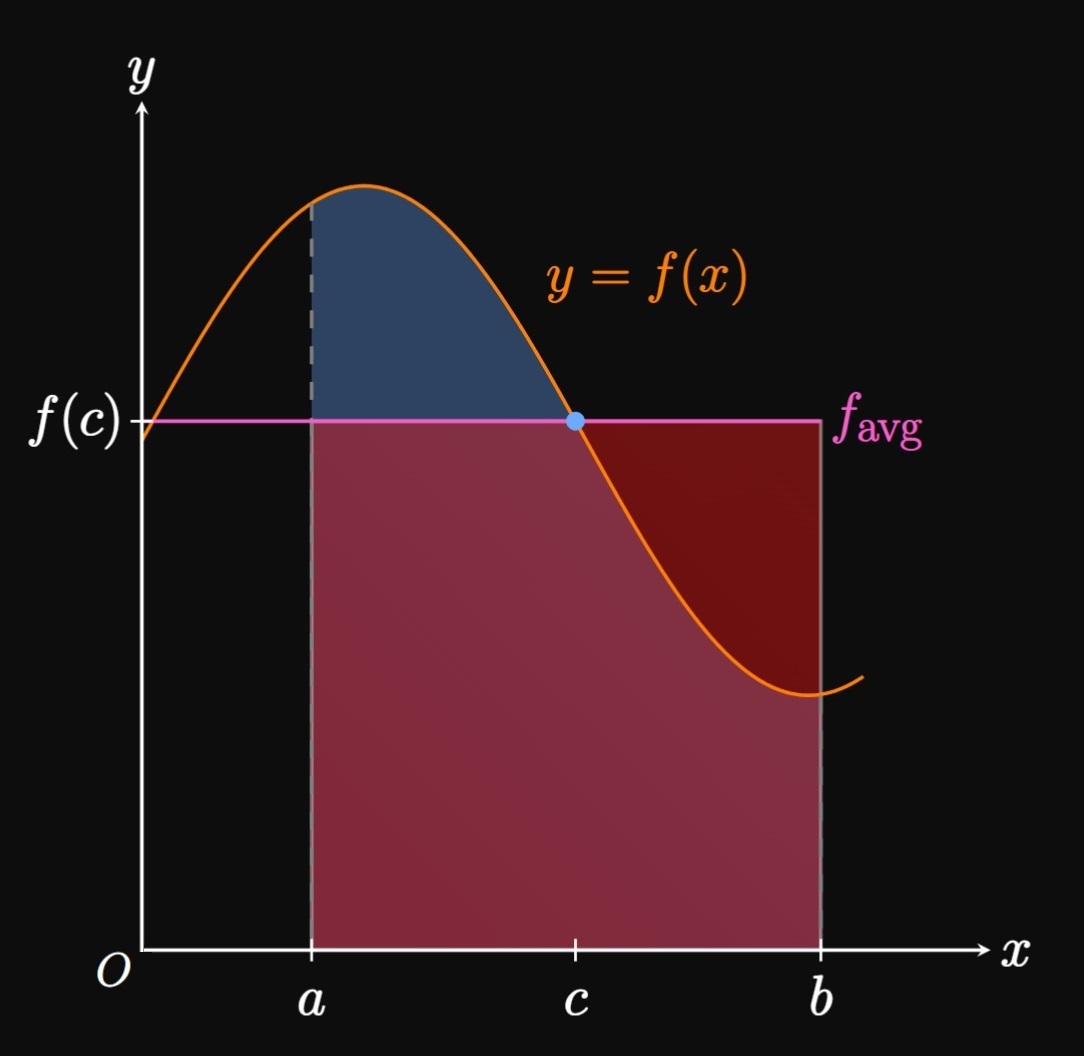
In Chapter 4 we learned to calculate definite integrals. But what more can be done with integrals? In this chapter we will learn to calculate the areas bounded by multiple curves, the work done by a force, and the average value of a function. Integrals are also key to calculating the volumes of solids; we will begin by calculating solids of known cross sections, and then investigate the solids generated by rotating regions about axes—all through the process of accumulation.
5.2 Volumes with Cross Sections
Finding the volume of a solid whose base lies in a plane and whose cross-sections are geometric figures.5.4 Shell Method
Using cylindrical shells to calculate the volume of a solid generated by rotating a region about a line. Integration with both \(x\) and \(y.\)5.5 Work
Work done by a force. Applications involving a variable force, springs, gases, lifting cables, and pumping water out of tanks.